
Thriving, Not Just Surviving: A Neurodivergent Perspective in the Zoo Field
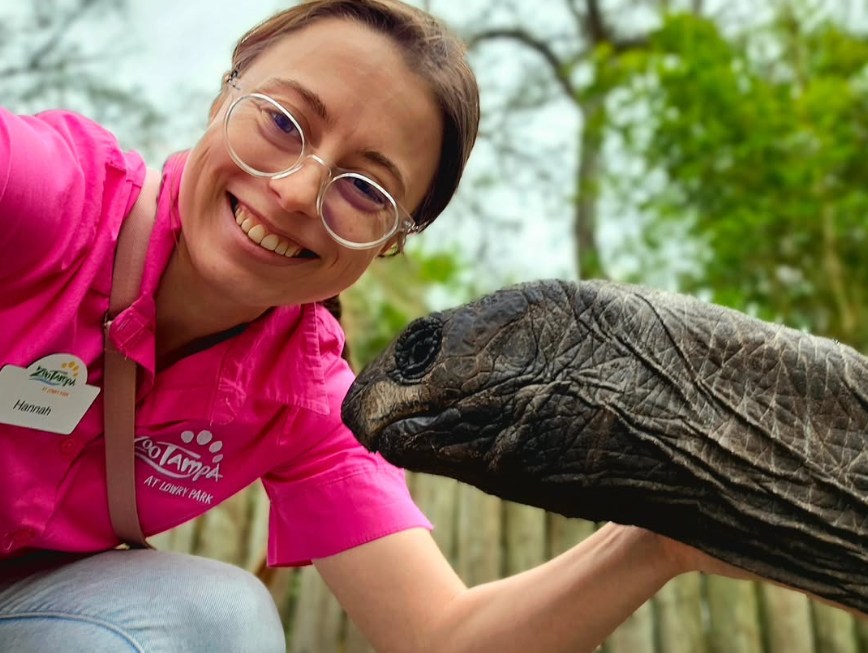

Being neurodivergent means my brain is never quiet—but it is deeply curious, deeply passionate, and deeply invested in the things I love. One of those things is ZooTampa. Zoos have always been a special interest of mine, and ZooTampa in particular holds a huge piece of my heart. I’m incredibly lucky that my role allows me to share that passion every single week. Every new hire at the Zoo spends about twelve hours over two days listening to me talk about our mission, our people, and why what we do matters—and yes, they have to listen, which feels like a real win for my special interest and my inner child.
My neurodivergent brain is wired for connection and meaning. I see patterns quickly, absorb information endlessly, and get genuinely excited about translating big ideas into experiences that help others feel grounded and included. I don’t just work at ZooTampa—I care about it, personally and fiercely. That depth of care shows up in how I welcome new hires, how I design training experiences, and how I advocate for employees as whole humans. These strengths aren’t something I acquired through effort alone; they are part of how my brain is built. When I am allowed to show up authentically, my passion becomes a bridge that helps others feel like they belong.
Self-advocacy, for me, has not always looked bold. Often, it has looked like anxiety, over-preparing, or asking for clarity. I do best when I know what’s coming. Something as simple as a calendar invite or a verbal heads-up before an annual review makes a significant difference. That predictability allows me to regulate, prepare, and walk into conversations grounded instead of spiraling into worst-case assumptions. That small act of transparency communicates psychological safety.
I am genuinely open to feedback. I want it. I’ve asked my team to give it to me as soon as possible when something happens, because my memory works best when the moment is still fresh. When feedback is delayed, my brain tends to fill in the gaps with shame. When it is timely and direct, I can understand it. In private conversations, we talk through what happened until I understand not just what to adjust, but why it mattered. I need the “why.” I need the context I may have missed.
I have been on a Performance Improvement Plan. For a while, that felt like something I should hide. Now I see it as one of the most clarifying experiences of my career. The PIP gave me exact expectations, specific dates, measurable milestones, and consistent follow-up. There was no guessing. No decoding subtext. Just clarity. And with clarity, I thrived. It didn’t diminish me—it strengthened me. It showed me that structure is not punishment for my brain; it is support for it.
I also want to be clear about something: neurodivergent professionals do not need to be handled delicately or held to lower standards. That can feel like a subtle form of infantilization. Equity does not mean lowering expectations. It means designing environments where different kinds of brains can succeed at the same high standard. In zoos, we celebrate biodiversity. We don’t expect every species to function the same way—we design habitats that allow each one to thrive while still holding to rigorous welfare standards. The mission is constant. The support adapts. Human neurodiversity deserves the same respect.
Direct feedback is not unkind. Clear expectations are not harsh. In fact, they are signs of trust. Neurodivergent employees should absolutely be held accountable to the same outcomes as their peers. The difference is that clarity, frequency, and context may need to be more explicit. If feedback needs to happen sooner or more often, that does not mean someone is less capable—it means they are calibrating in real time. When leaders explain the reasoning behind expectations and invite employees to share their thought process, assumption is replaced with understanding.
As someone who has both received and given feedback, I’ve learned that high standards and compassion are not opposites—they are partners. Accommodation is not about lowering the bar. It is about making the path visible. When equity is practiced well, it strengthens teams, builds trust, and unlocks performance.
Zoos and aquariums already lead in conservation, animal welfare, and education. We understand the value of biodiversity instinctively. When we extend that same intentional care to neurodiversity within our teams, we do more than include people—we evolve our institutions. And when neurodivergent professionals are supported to work with their brains instead of against them, we don’t just survive in this field.
We thrive.
Hannah Grosvenor is the Employee Experience Specialist at ZooTampa and an ASD/ADHD Self Advocate.


Comments